Film Overview
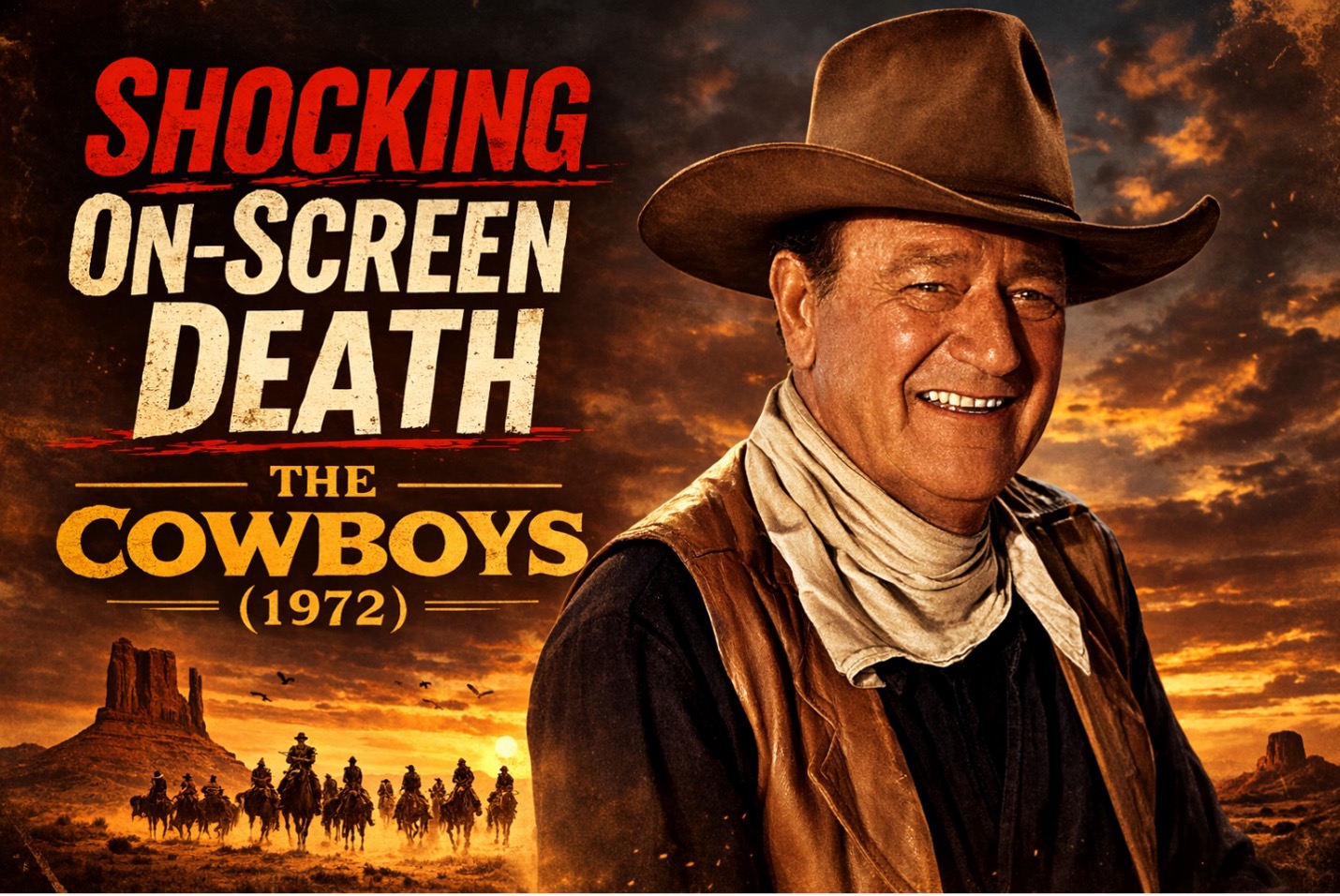
The Cowboys is a 1972 American Western directed by Mark Rydell. It stars John Wayne as Wil Andersen, an aging rancher in 1878 Montana. When Andersen’s regular ranch hands abandon him for a gold rush, he hires a group of local schoolboys to help drive cattle on a 400-mile journey. The boys are an unlikely crew – boys as young as 13 who’ve never been cowboys before – but Andersen teaches them the ropes. Co-stars include Bruce Dern as the villainous Asa “Long Hair” Watts, Roscoe Lee Browne as Jebediah Nightlinger (a wise cook), and a young Robert Carradine among the boys. Composer John Williams provided a stirring musical score. The film mixes a father-figure story with Western action and themes of survival and responsibility.
The Iconic Death Scene
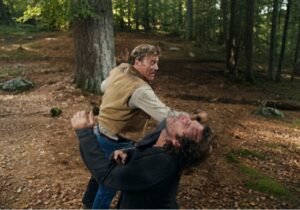
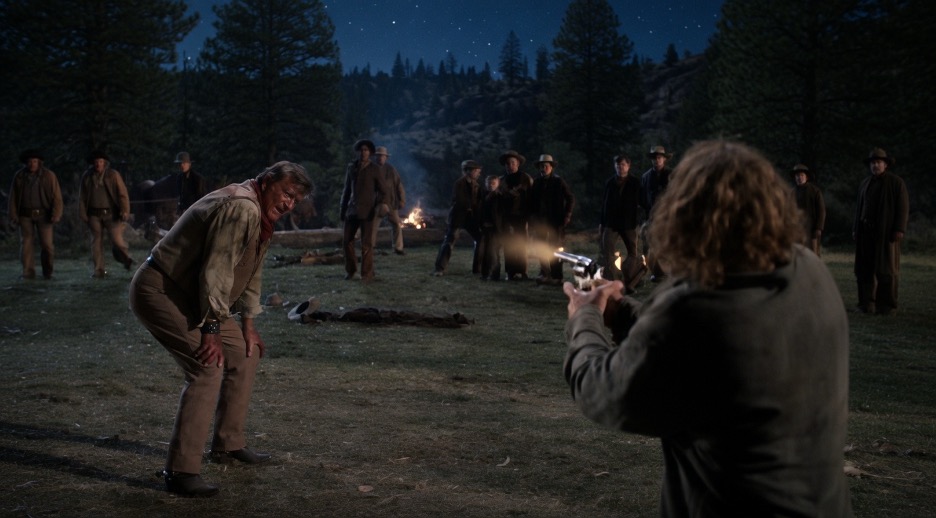
The most famous moment in The Cowboys is its sudden and violent climax. After a long and difficult drive, Andersen’s team of young cowboys encounters Asa Watts and his gang of cattle rustlers. In the final confrontation, Wil Andersen physically bests Watts in a fistfight – a moment where audiences expect the hero to win. However, just as Andersen turns away from the fallen villain, Watts reaches for a hidden gun. In an instant, Watts shoots Andersen from behind. Andersen is struck multiple times (in the arm, leg, and back) and collapses to the ground. The rancher, who had been the boys’ mentor and father-figure, later succumbs to his injuries. The boys witness their adoptive father fall and die, which is a truly shocking moment. Unlike typical Westerns where the hero bravely wins the final battle, here the hero is taken down suddenly, reversing the expected outcome.
- Confrontation: Andersen beats Asa Watts in a fair fight.
- Unexpected Shot: As Andersen walks away, Watts fires a gun at him from behind.
- Fatal Outcome: Andersen is hit by several shots and falls; the film then shows that he dies from his wounds.
- The Boys’ Shock: The young cowboys see Andersen’s death firsthand, which is portrayed as a tragic turning point in the story.
This scene was very unusual for John Wayne. While Wayne’s characters had died in some earlier films (for example, he once sacrifices himself in Reap the Wild Wind and was shot in Sands of Iwo Jima), those deaths were typically heroic or sacrificial. In The Cowboys, his death is sudden and without glory. Wayne, who had just won an Academy Award two years earlier for True Grit, normally played larger-than-life heroes. Seeing the Duke gunned down in the back while unarmed was a departure from the norm. Film reviewers at the time noted that The Cowboys broke a Western convention: normally the hero never dies in such a helpless way. This subversion – the good guy unexpectedly falling – made the scene unforgettable to audiences.
Audience Reaction and Legacy
Audiences were stunned by this twist. John Wayne himself was amused by the reaction; on set he apparently warned Bruce Dern that fans would be furious. Wayne joked, “They’re going to hate you for this,” referring to the scene where Dern’s character kills him. And indeed, many moviegoers were shocked and even upset. Bruce Dern later recalled getting fan mail from angry viewers who couldn’t believe the Duke had been shot. The scene turned out to be a bold move that gave The Cowboys lasting fame. It also helped define Bruce Dern’s career: after The Cowboys, he was often cast as a villain in other movies, partly because audiences so strongly remembered him as “the man who killed John Wayne.”
- Fan Shock: Viewers in 1972 (many of whom expected John Wayne to always win in the end) gasped when the Duke went down.
- Critical Note: Some film critics praised the film’s boldness. They pointed out that depriving the hero of a showdown broke typical Western rules, making the story more gritty and real.
- Wayne’s Warning: John Wayne’s friendly warning to Dern – that people would hate watching him shoot Wayne – became legendary. It highlights just how unexpected the scene was.
- Cultural Impact: Over time, this on-screen death has been cited as one of the classic shocking moments in movie Westerns. Modern commentators often mention it when discussing how The Cowboys plays with traditional Western themes.
Aftermath in the Film
After Andersen is shot, the story focuses on what happens next. The boys are devastated by his loss, but they decide to honor their mentor. They sell the cattle in South Dakota and arrange for Andersen’s burial. A stonemason carves a gravestone that reads, “Beloved Husband and Father,” emphasizing how Andersen had become a father figure to them even though he wasn’t their real dad. The boys then load up the wagon and continue their journey, now more grown-up and determined. They even ambush and defeat the rustlers in a later scene, avenging Andersen’s death. In the final moments, the young cowboys are seen at Andersen’s graveside, promising to carry on with the values he taught them. This ending underscores the film’s message: even in loss and tragedy, the lessons of courage and leadership endure.
Related Articles
- Western Classics: Explore other classic Western films and their famous moments.
- John Wayne’s Film Legacy: A look at John Wayne’s most iconic roles and movies.
- Bruce Dern’s Villain Roles: Learn how this scene shaped Bruce Dern’s career as a leading villain.