“IS THERE A FAMILY STANDING BEHIND A KILLER?” — Grandmother’s Defense of Convicted Murderer Sparks Fury Among Millions
The Shadow of the Cell
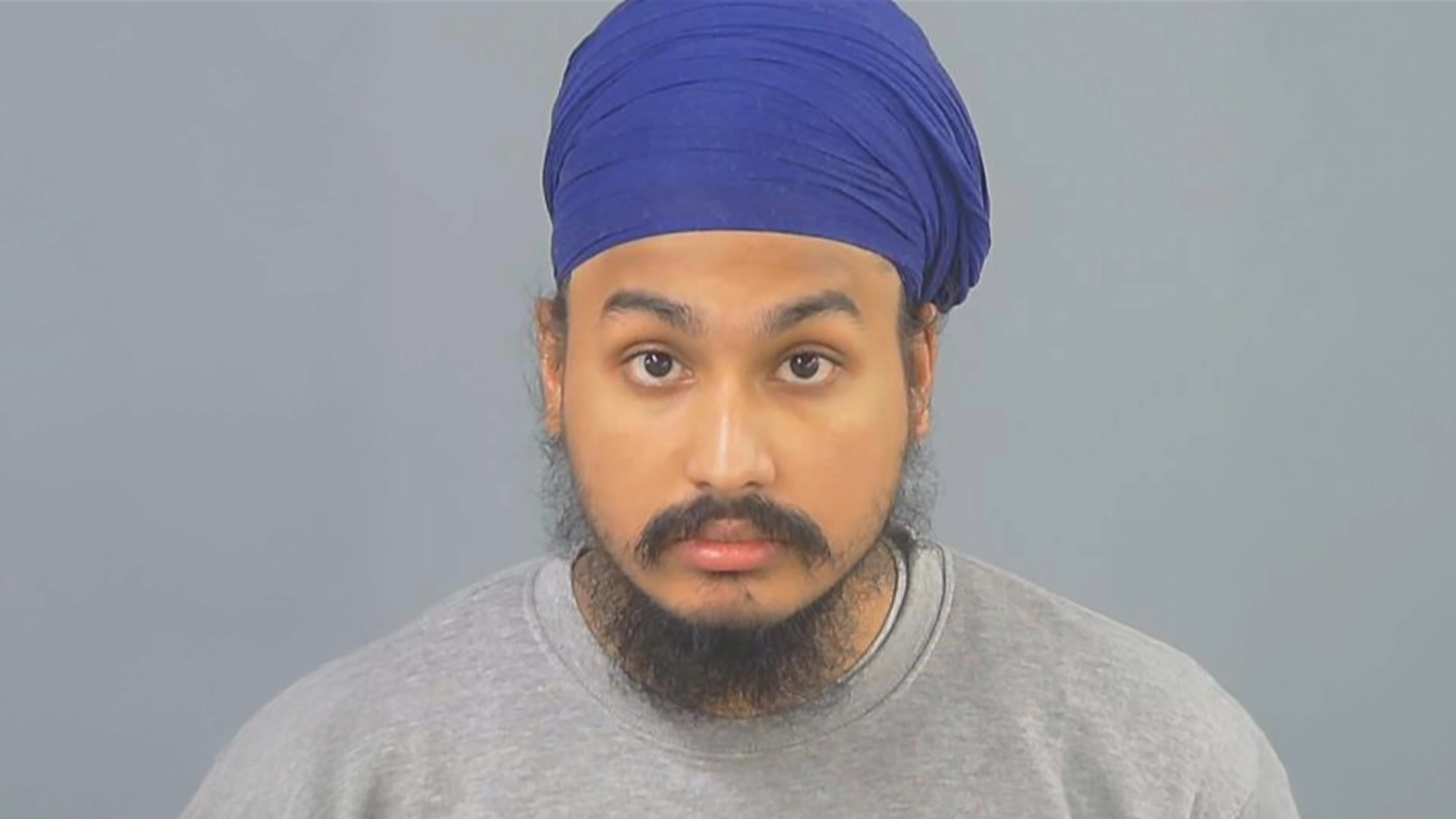
Behind the cold, unyielding bars of a life sentence, the silence of a convicted murderer is often mistaken for penitence. But in the corridors of the human heart, silence can sometimes be a fortress built to protect the guilty. The legal gavel has fallen on Vickrum Digwa, sentencing him to the remainder of his days for the heinous murder of student Henry Nowak, a tragedy that shattered communities and seized the national conscience. Yet, while the state has delivered its judgment, a different, more insidious narrative has taken root in the private sphere of the family. It is a story not of justice served, but of loyalty twisted into a weapon against the public’s grief.
A Fortress of Denial
The fresh wave of controversy did not arrive with a whisper; it erupted like a storm when Digwa’s grandmother publicly stepped forward to defend her grandson and the wider family. Her words, echoing through recent interviews and online discussions, were not merely expressions of familial affection; they were a calculated defense of a moral vacuum. She stood by her family, refusing to acknowledge the devastation caused by their actions, effectively drawing a line in the sand that separated the family unit from the rest of society. This stance has triggered widespread outrage, reigniting the raw anger over the killing of Henry Nowak and raising difficult questions about whether those closest to a criminal can ever truly comprehend the weight of their kin’s transgressions.
“For many observers, the comments crossed a line.”
The controversy deepened when the grandmother’s defense extended to Digwa’s mother, who faces grave accusations of helping to remove or conceal the murder weapon following the killing. To the public eye, this was not just a failure of character; it was an active complicity in the erasure of evidence and the protection of a killer. For thousands of users across social media platforms, these remarks were not just controversial; they were an affront to the memory of the victim. The disbelief and anger expressed by the public were not born of malice, but of a fundamental refusal to accept that a family could refuse to confront the full reality of what happened.
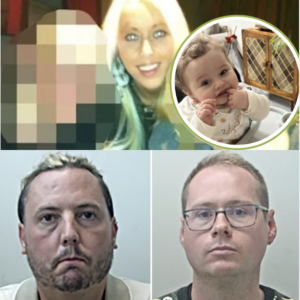
As the digital firestorm raged, the images of the tragedy served as a grim reminder of the stakes involved. The narrative of the murder, once a private horror, became a public lesson on the fragility of safety and the terrifying reality of violence. The events unfolded with a brutality that left no room for ambiguity, yet the family’s response sought to blur that line, attempting to rewrite the story of a victim’s death into a saga of family honor.

The Cost of Loyalty
While the legal proceedings have concluded, the emotional fallout remains raw, particularly among those who believe that justice extends beyond the individual who committed the crime. The grandmother’s defense of her family represents a high-stakes gamble in the court of public opinion, one that has lost. By shielding the accused from the full weight of societal condemnation, she has inadvertently highlighted the danger of unchecked family loyalty. In the high-performance management of a community’s safety, such loyalty is a liability, a blind spot that allows crimes to fester and victims to be forgotten.
The backlash was swift and severe. Across social media platforms, the collective voice of the community rose up to accuse the family of refusing to confront the full reality of what happened. The anger was palpable, a testament to the deep-seated need for accountability that the family’s actions seemed to mock. In the end, the story of Vickrum Digwa and his family serves as a stark warning: when the law has spoken, the only remaining defense is the truth, and for this family, the truth has become their most dangerous enemy.