The Silence of a Broken Promise
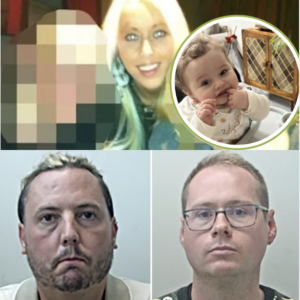
The courtroom was heavy with a silence that felt physical, a suffocating weight that pressed down on everyone present as the final words of the sentence were uttered. For the family of 13-month-old Preston Davey, it was the moment a long, agonizing wait for accountability finally ended. Jamie Varley, a former teacher—a man entrusted with the guidance and safety of children—was sentenced to spend the rest of his life behind bars. The verdict was a legal conclusion, but for those who followed the case, it was a visceral release of horror and grief.
“Justice has finally been delivered, but the void left by a life stolen remains.”
A Betrayal of Trust
The details that emerged during the trial painted a harrowing picture of a child’s final months. Preston, a vulnerable toddler in the process of being adopted, had been placed in a home that promised stability and love. Instead, he entered a nightmare. The evidence revealed a pattern of abuse so disturbing it left the courtroom reeling, transforming a sanctuary into a site of systemic failure and individual cruelty. The man who was supposed to be a protector became the predator.
The conviction of Varley brings a sense of closure to the criminal proceedings, but it simultaneously opens a deeper, more painful wound. The horror lies not only in the act itself but in the betrayal of the very concept of adoption—the promise that a child without a home would finally find a safe harbor.
The Invisible Cracks in the Shield
As the gavel fell, a more haunting question began to echo through the halls of justice: How did this happen? This was not a random tragedy; it was a failure of a system designed specifically to prevent such outcomes. Preston Davey did not fall through the cracks by accident; he was carried into danger by the very mechanisms meant to shield him.
When Preston was placed with Jamie Varley and John McGowan-Fazakerley, the process had followed every prescribed step. There were assessments. There were references. Professionals had scrutinized the couple, evaluating their capacity to provide a stable environment. On paper, every box had been checked. The approval process, designed to be an impenetrable wall of protection, had instead acted as a gateway.
“How did a vulnerable child come into contact with a situation that proved fatal despite repeated interactions with professionals and safeguarding systems?”
The Cost of Systemic Blindness
The case of Preston Davey now stands as a grim monument to the gap between administrative compliance and actual safety. It exposes the terrifying possibility that a “safe” environment can be a facade, and that the institutions tasked with safeguarding the most vulnerable can be blinded by their own processes. The conversation is shifting from the crimes of one man to the negligence of a system that failed to see the warning signs.
As the legal chapter closes, the societal one begins. The tragedy of Preston’s short life serves as a catalyst for a necessary, albeit painful, interrogation of how child protection is managed. The goal is no longer just about punishing the perpetrator, but about ensuring that no other child is ever again handed over to a monster under the guise of a “vetted” home.